
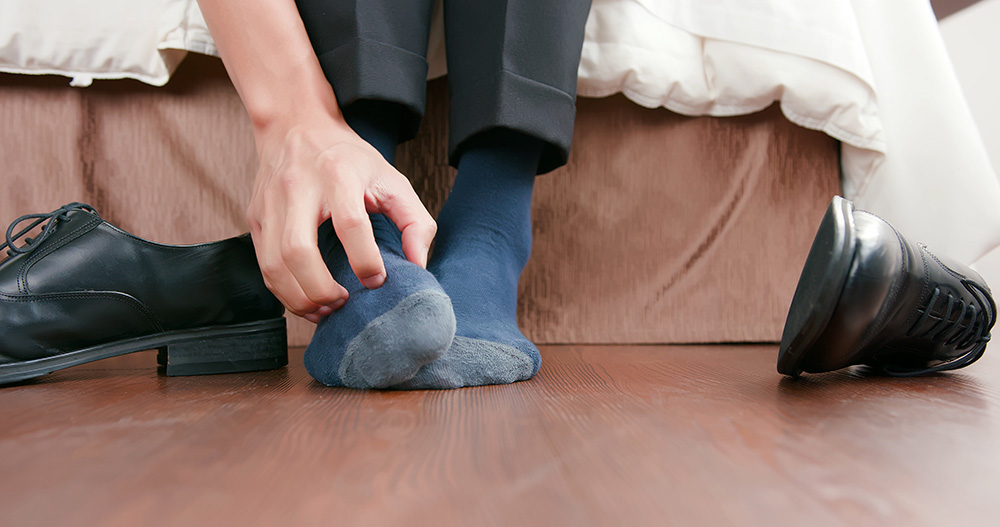
If the skin between your toes is itching, peeling or cracking, athlete’s foot is the likely culprit, and most people can clear it with an over-the-counter antifungal used consistently for about two weeks. It’s one of the more common fungal infections out there, and it thrives in exactly the warm, damp environment your shoes create all day.
That said, not every case behaves. Some spread, some pick up a bacterial infection on top, and some just refuse to respond to anything found on the drugstore shelf. At State Urgent Care in Starkville, we can take a look, tell you what you’re dealing with and get you on the right treatment.
Recognizing athlete’s foot
Athlete’s foot is a fungal infection of the skin on your feet, caused by a group of fungi that feed on keratin, the protein in your hair and nails. Its medical name is tinea pedis, and it usually shows up first between the toes, since that pocket of skin stays damp longer than anywhere else on your foot. Left alone, it can work its way to the sole and eventually into the toenails themselves.
According to the National Library of Medicine, the fungi behind it thrive in humid conditions, which makes the inside of a closed shoe just about ideal for them. Athlete’s foot also passes easily from one person to another. Walking barefoot through a locker room or a public shower is one of the most common ways to pick it up.
What athlete’s foot looks like on your skin
The first thing you might notice is the itch, which can start mild enough to shrug off and then settle into something you can’t stop thinking about. The skin between the toes often looks red and feels raw, and before long it begins to peel and flake. If the peeling continues, the skin can crack, and at that point even ordinary walking becomes painful.
From there, it can spread. The sole and sides of the foot might take on a rough, thickened texture, and symptoms can vary from one day to the next — worse after a long day in shoes, easier after a night without them.
Because a red, flaky patch can look like contact dermatitis or a heat rash, it isn’t always obvious what you’re dealing with on your own. That’s the kind of thing we can sort out at State Urgent Care.
Symptoms between the toes
Between the toes, the skin often turns white, soft and a little soggy, which is easy to write off as leftover moisture from the shower. The clearest sign is itching or burning. The skin may then crack or peel, causing discomfort during even short walks.
Symptoms on the sole and sides of the foot
On the bottom of the foot, athlete’s foot looks different from the version between your toes. The skin on the sole and sides gets dry, thickened and scaly, and it might peel in patches or shed in fine layers.
This is called moccasin-type athlete’s foot, since the rash covers roughly the same area a moccasin would, per StatPearls. It’s easy to mistake for plain or dry skin, so monitor whether the peeling keeps coming back or is spreading.
The causes of athlete’s foot
The fungi that cause athlete’s foot love warmth and moisture, and your feet can offer them exactly that.
Shared surfaces are also involved. The fungus’s ability to spread via contact makes shared shower areas and pool decks ideal for transmission. Breathable shoes and moisture-wicking socks won’t clear an infection you already have, but they make your feet a much less hospitable place for the fungus to return.
How to get rid of athlete’s foot at home
Most cases clear up with an over-the-counter antifungal from any pharmacy. Creams work best for the skin between your toes, while sprays and powders are better suited to the sole and other spots that stay damp.
Over-the-counter antifungal options
Check the label for the active ingredient when looking for a cream. The three you’ll most commonly find are:
- Terbinafine, which works the fastest and can clear things up in about one to two weeks
- Clotrimazole, a well-proven option that runs closer to four weeks
- Miconazole, another reliable choice and usually the least expensive
According to InformedHealth.org, published through the National Library of Medicine, antifungal treatment cleared athlete’s foot in about 73 out of 100 people, compared to just 17 out of 100 who went without treatment. While terbinafine works more quickly, clotrimazole and miconazole are excellent alternatives if they’re more affordable.
No matter your choice, finish the full course on the label even after your skin looks better.
Hygiene and prevention tips
Dry feet are your best defense against a repeat bout. Fresh socks every day help, and it’s worth rotating your shoes so each pair gets a full day to dry out before you wear it again. Sandals in public showers and around pools also cut down your odds of picking the fungus back up.
When to see a doctor for athlete’s foot
Most cases settle with over-the-counter treatment within a couple of weeks. If you’ve used an antifungal every day for two weeks and have seen no actual change, it’s worth having it looked at. A rash that’s spreading across your foot or moving up your leg is another reason not to wait.
Some signs point to more than fungus. Redness or skin that’s oozing fluid can mean a bacterial infection has set in on top of the fungal one, and that needs a different approach. We routinely treat this type of walk-in skin infection, and it’s best to address it promptly.
People living with diabetes or compromised immune systems shouldn’t attempt to manage athlete’s foot at home. Because those with diabetes are at a higher risk of complications from athlete’s foot, it’s essential to get even minor infections examined by a State Urgent Care team member quickly.
What to expect at urgent care
When you come in for athlete’s foot, we’ll look at the affected skin and ask a few questions about your symptoms and how long they’ve been hanging around. For a mild case, we might simply point you toward the right over-the-counter antifungal and how to use it.
If the infection has spread or hasn’t changed since treatment, we can step things up with a prescription-strength cream or an oral antifungal tablet, depending on how far along it is. In some cases, we’ll take a small skin scraping to confirm it’s fungal before treating, which is quick and painless. The visit usually moves fast, and before you head out, we’ll walk through how to use your medication and what to watch for over the following days.
Frequently asked questions
Is athlete’s foot contagious?
Yes, and it spreads easily. The fungi can survive on damp surfaces like locker room floors, shower stalls and pool decks for a good while, which is why walking barefoot in shared spaces is one of the most common ways it gets passed along.
Can athlete’s foot spread to other parts of the body?
It can. Left untreated, it can reach your toenails and your hands over time, and occasionally other patches of skin. That’s a good reason to have it treated early and finish the full course, even after your symptoms fade.
How long does athlete’s foot take to heal?
For less severe cases, over-the-counter remedies typically resolve the issue within two weeks. However, your own recovery period can vary depending on the infection’s intensity and how closely you stick to your treatment plan.
Can I go swimming with athlete’s foot?
It’s best to skip any public pools while you have an active infection. The fungus spreads to shared surfaces quickly, so anyone walking barefoot nearby can have the misfortune of picking it up from you.
Get athlete’s foot treatment at State Urgent Care in Starkville
Athlete’s foot is rarely serious, but it’s stubborn and has a habit of coming back when treatment gets cut short. Coming to State Urgent Care when you’re unsure is a great first step toward having the issue taken care of. You can find us in Starkville, at 521 South Montgomery Street.
We welcome walk-ins every day from 8 a.m. to 7 p.m. Visit State Urgent Care whenever your schedule allows.